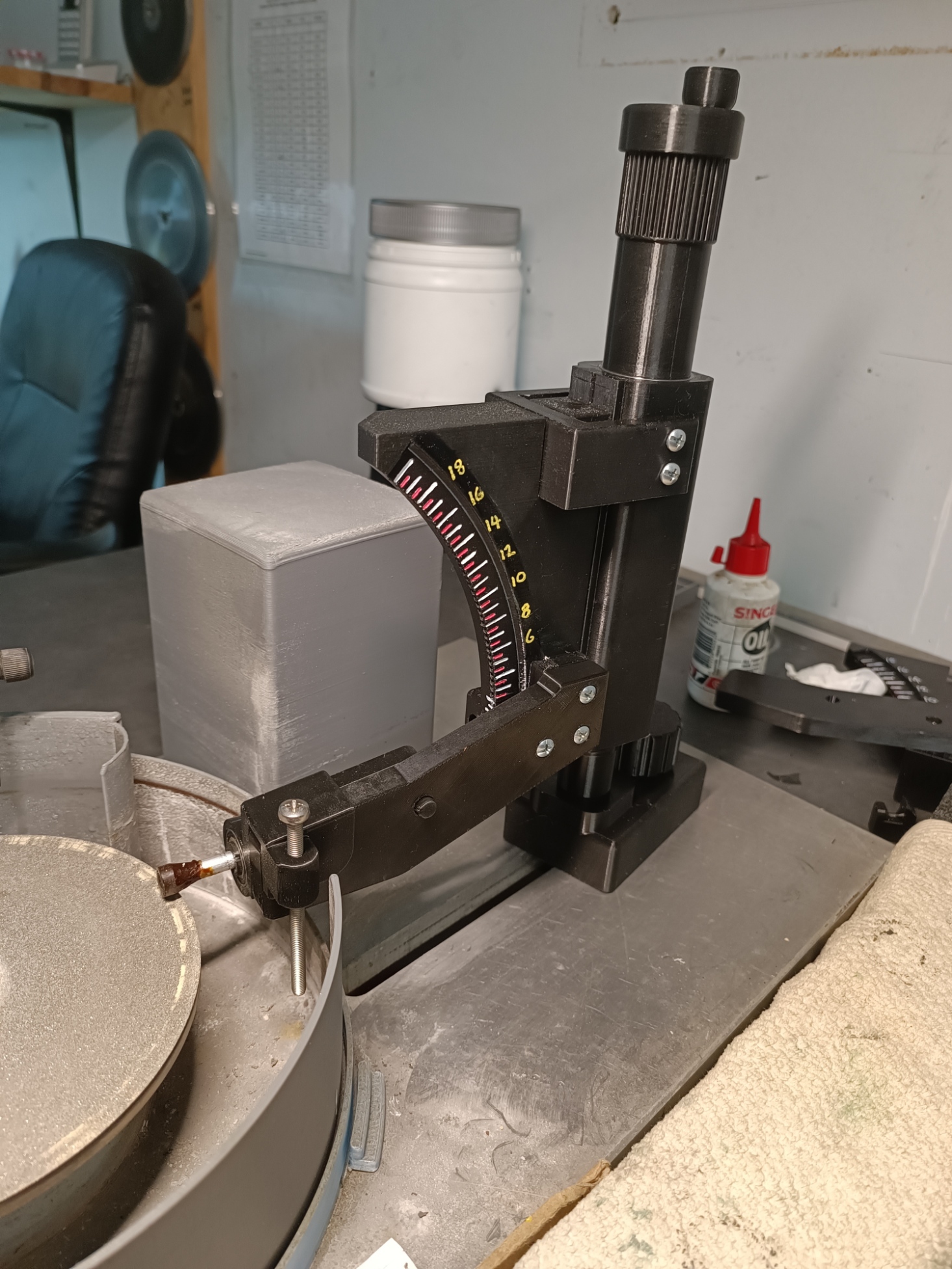
My new project was to come up with a hand cranked portable jamb peg and also to be useable on my low profile base
Since I started 3D printing indexers for my other jamb pegs with a resin printer I often wondered if it would be possible to print a usable faceting machine, The build plate on the resin printer was fairly small, fantastic detail, but print size small. So bought a FMD printer so I could print larger pieces. The prints turned out better than expected, so went ahead and started doing the drawings. There were certain aspects of the machine I wanted which aren't available on the others, So apart from the radius of the quadrant the drawings were done on the fly.
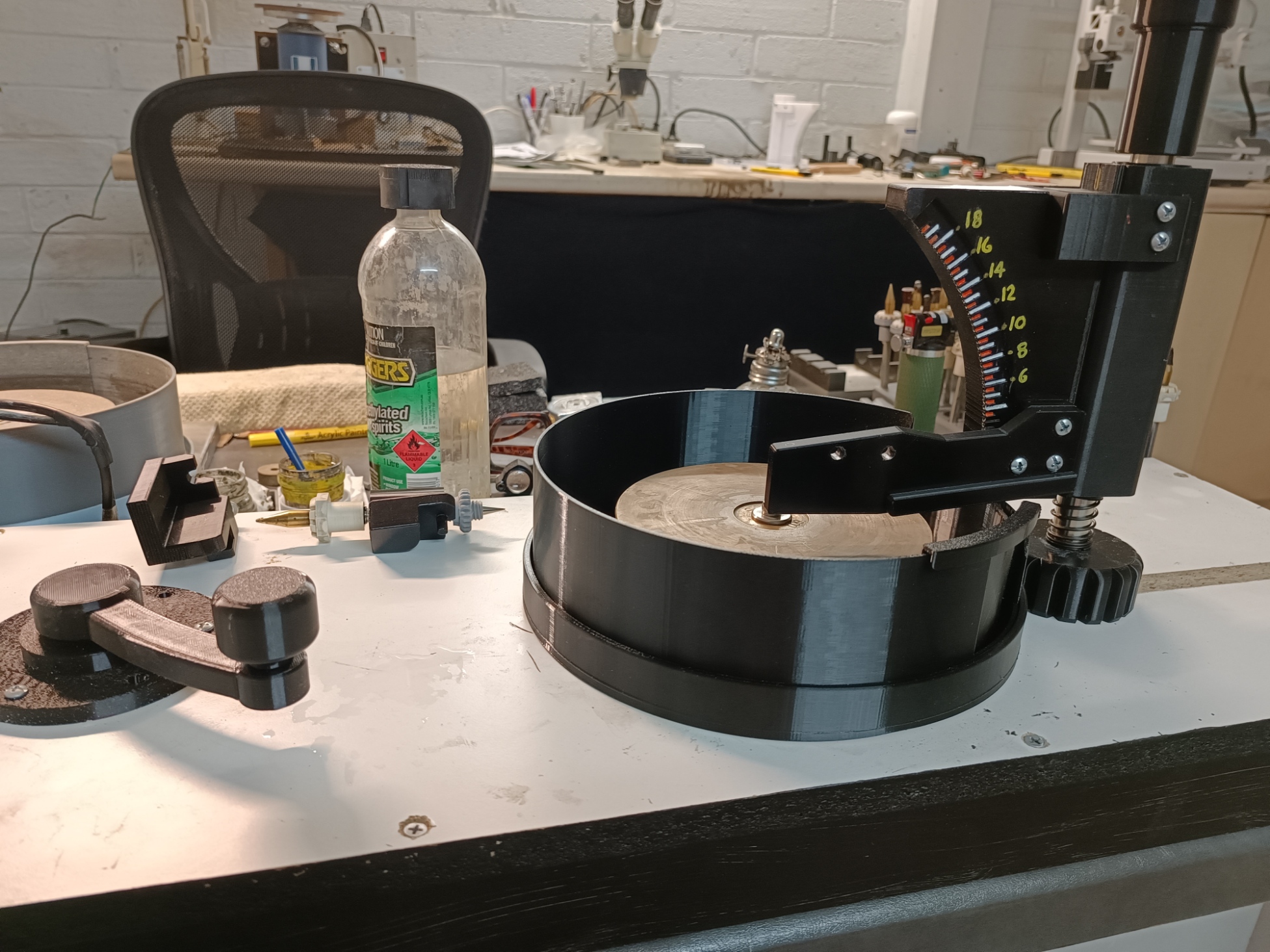
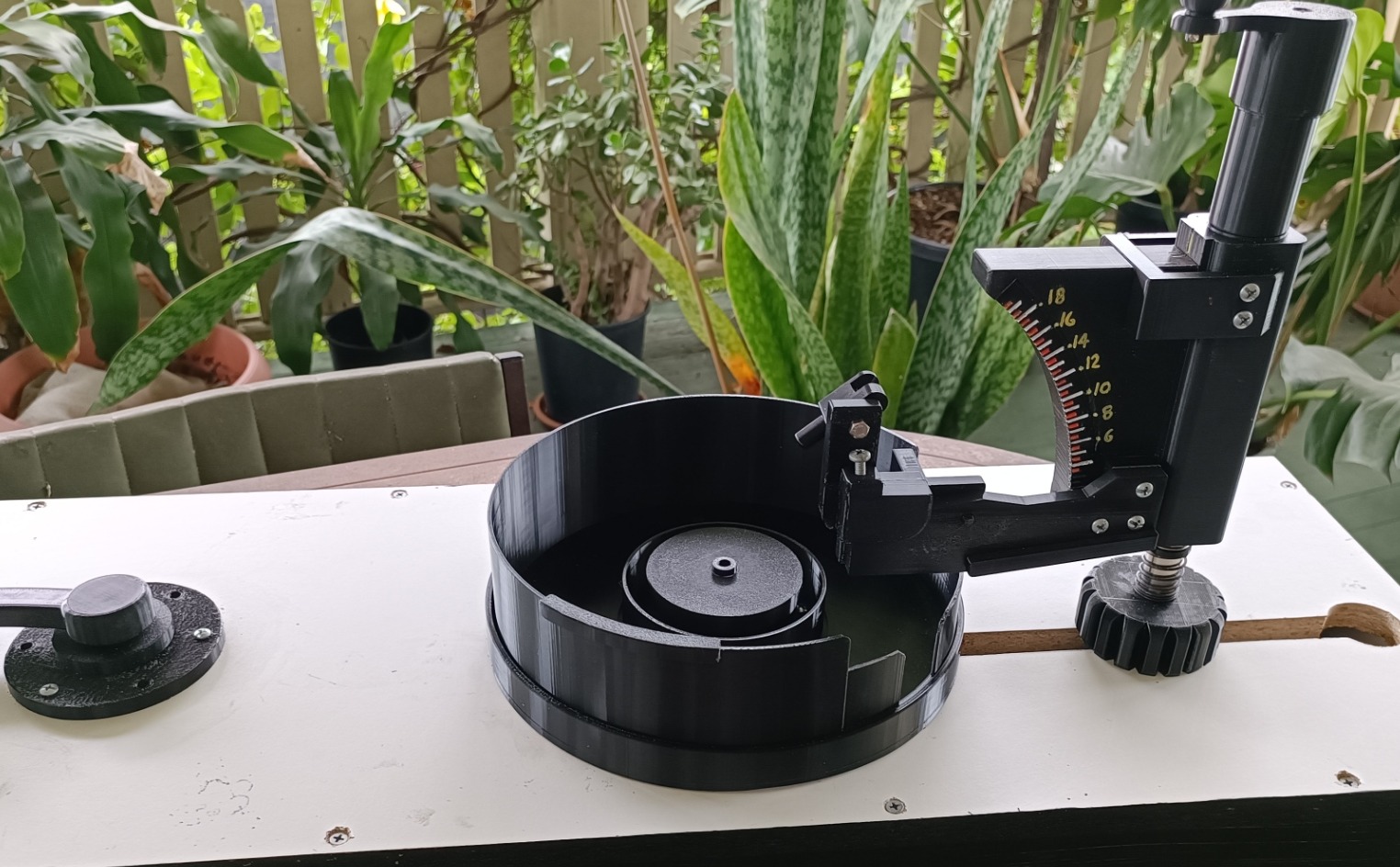
The base of this machine is just a piece of shelving. The bearing mount, platen and crank setup are all printed. There is no weight on the drive wheel so won't free wheel. For smaller stones where there is not too much material to be removed it's quite pleasant to use. larger stones are not so easy as material removal is more time consuming so now it becomes work! But over all it's workable.
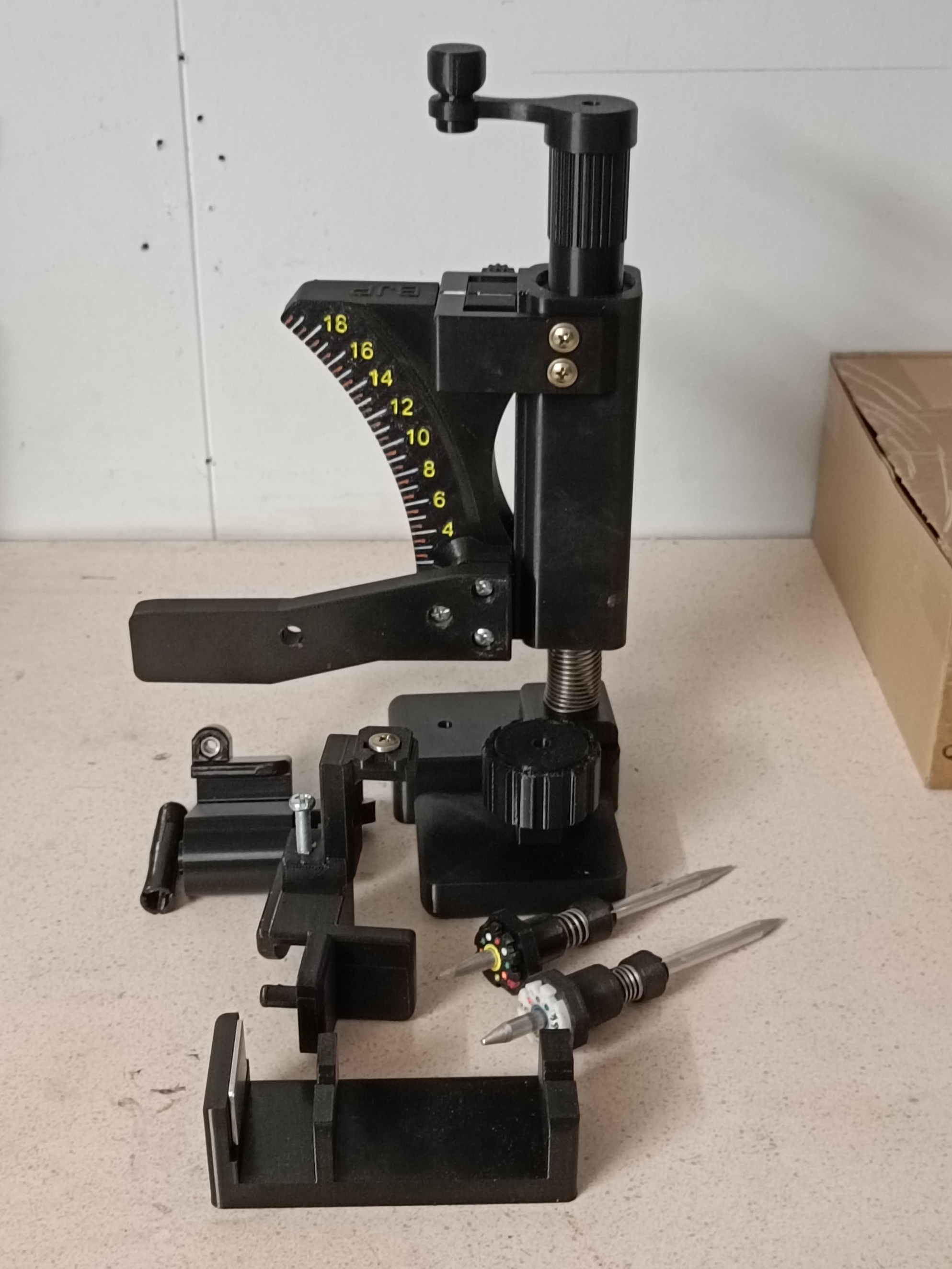
Version two, modified the quadrant and side arm, updated the side arm to accept a new rounding pre-former, can now use 8mm and 6mm dops. Also added a hard stop. I will use this configuration for testing.
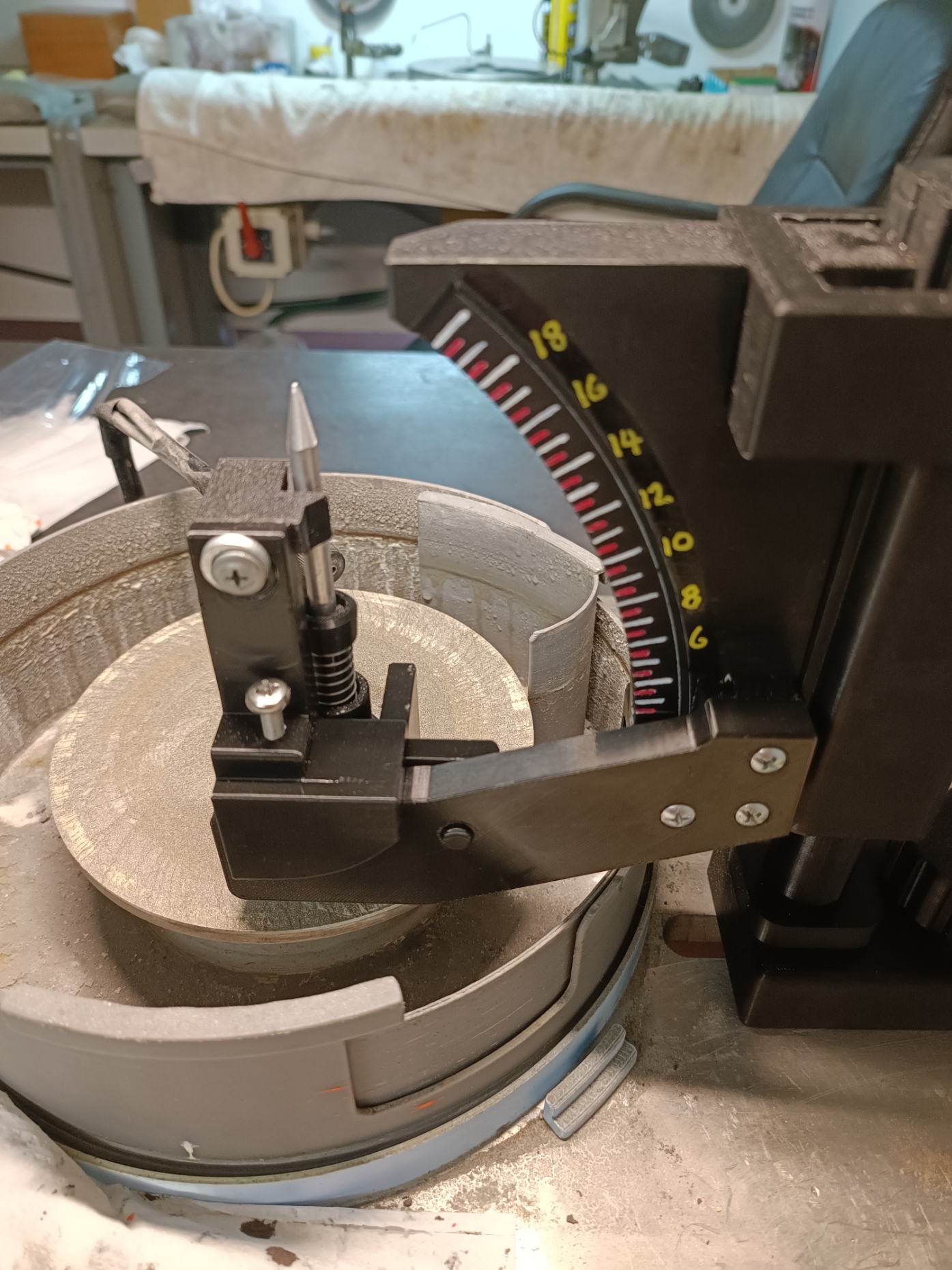
The tables adaptor on both the Israeli and Indian Som jamb peg machines come with an excellent table adaptor. Rigidity and warping is the let down with printed parts, so had to come up with another method. The unit in the pic is working, not perfect but will do until I find a better method.
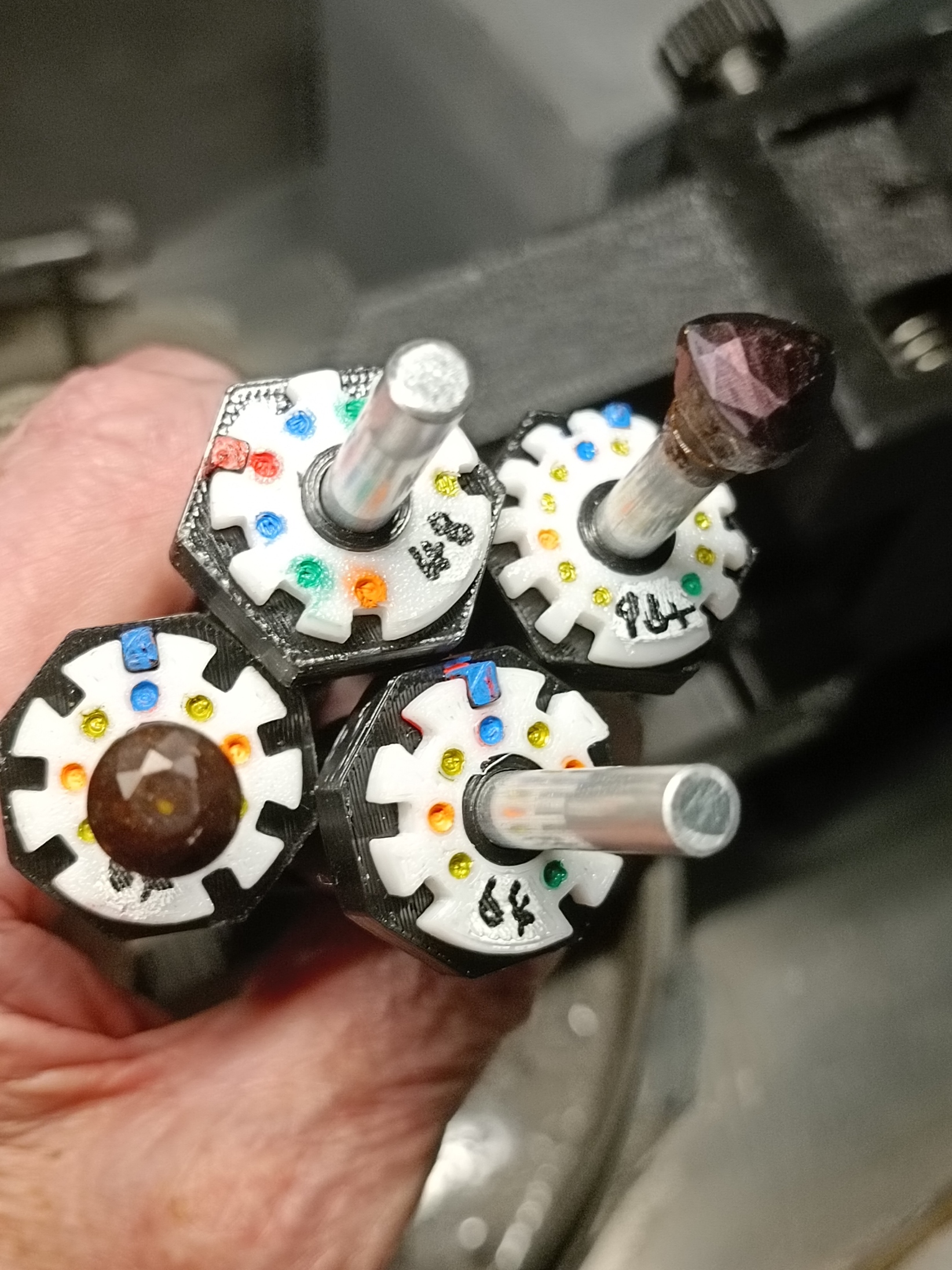
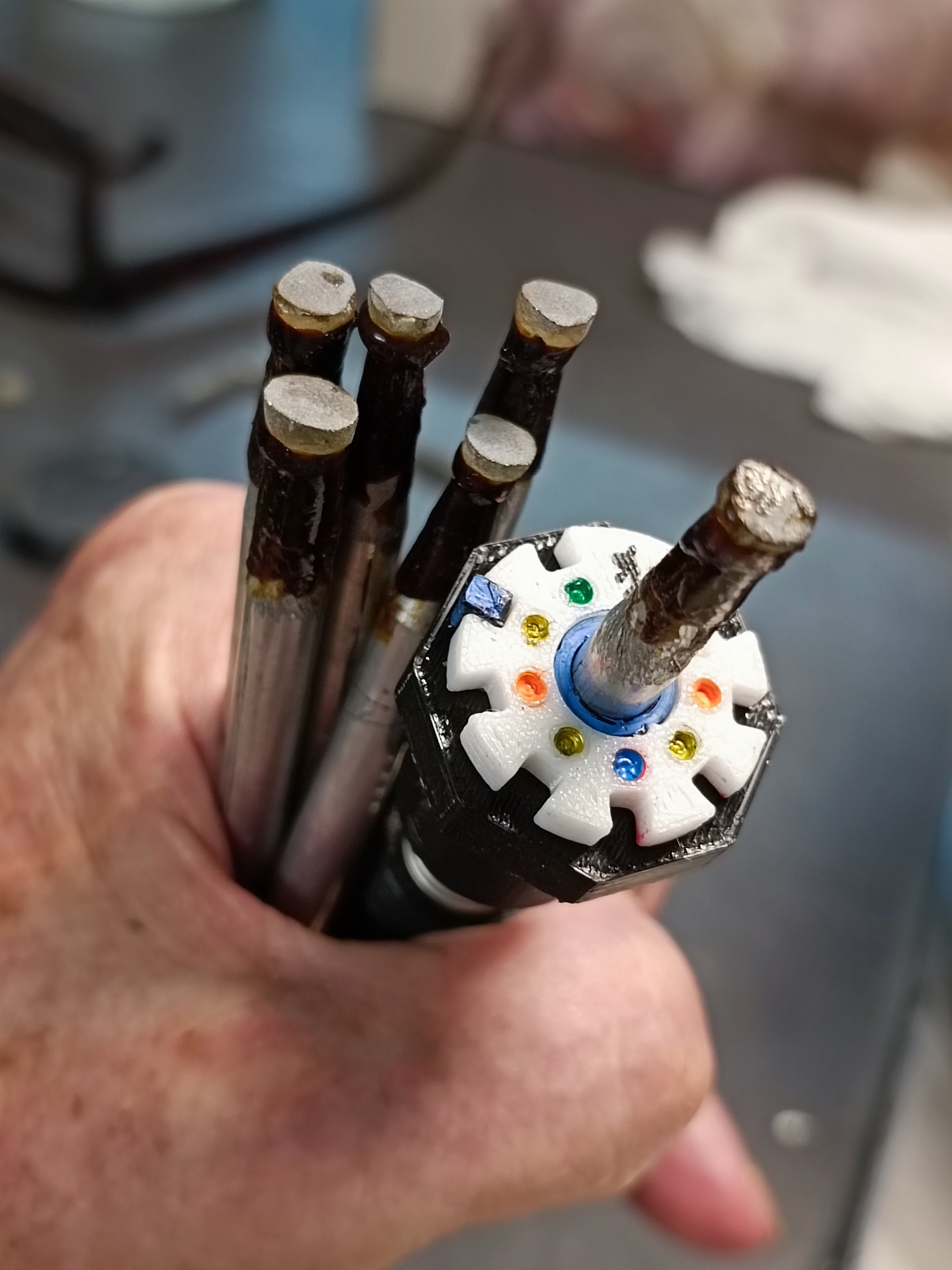
Printed these mechanical style indexer dops in 96, 96x6, 64 and 48. Off the shelf 6mm round aluminium for the sticks, Just tried a couple of crowns in wax, facets all in the right position so happy so far.
This short video shows the stones i have cut so far on the "plastic" jamb peg. Results are much better than I expected so will continue testing for the next few weeks. The large stone is 12.37ct. and the small trilliant is 0.12ct, The other stones are sapphires, zircons, quartz and topaz.
For serious gem cutting the standard commercially available jamb peg is the way to go. The filament jamb is doing a great job, accurate, getting perfect meets, so would be a good machine to learn on. Down side is I don't know how long it will last, early days yet but time will tell.
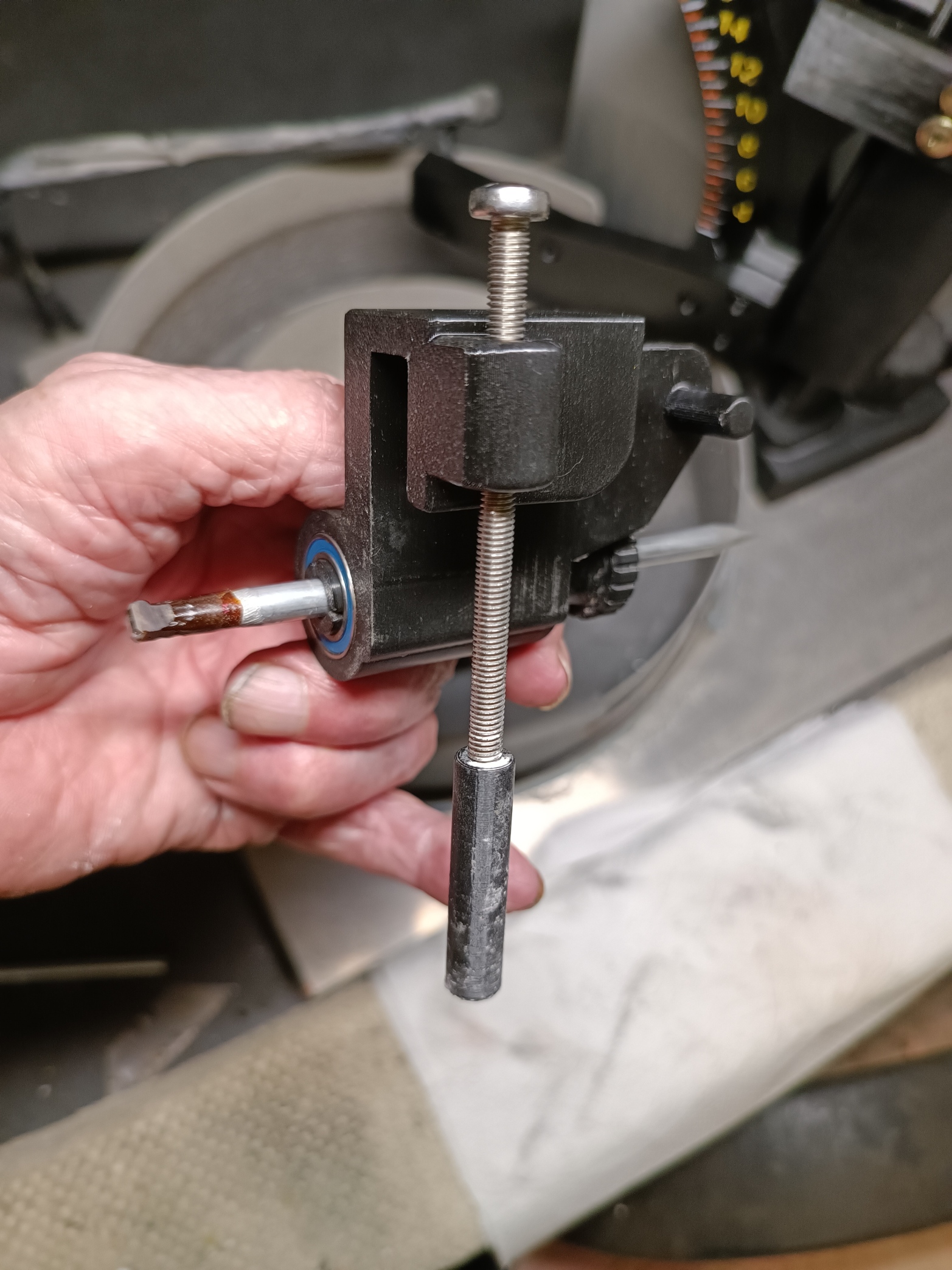
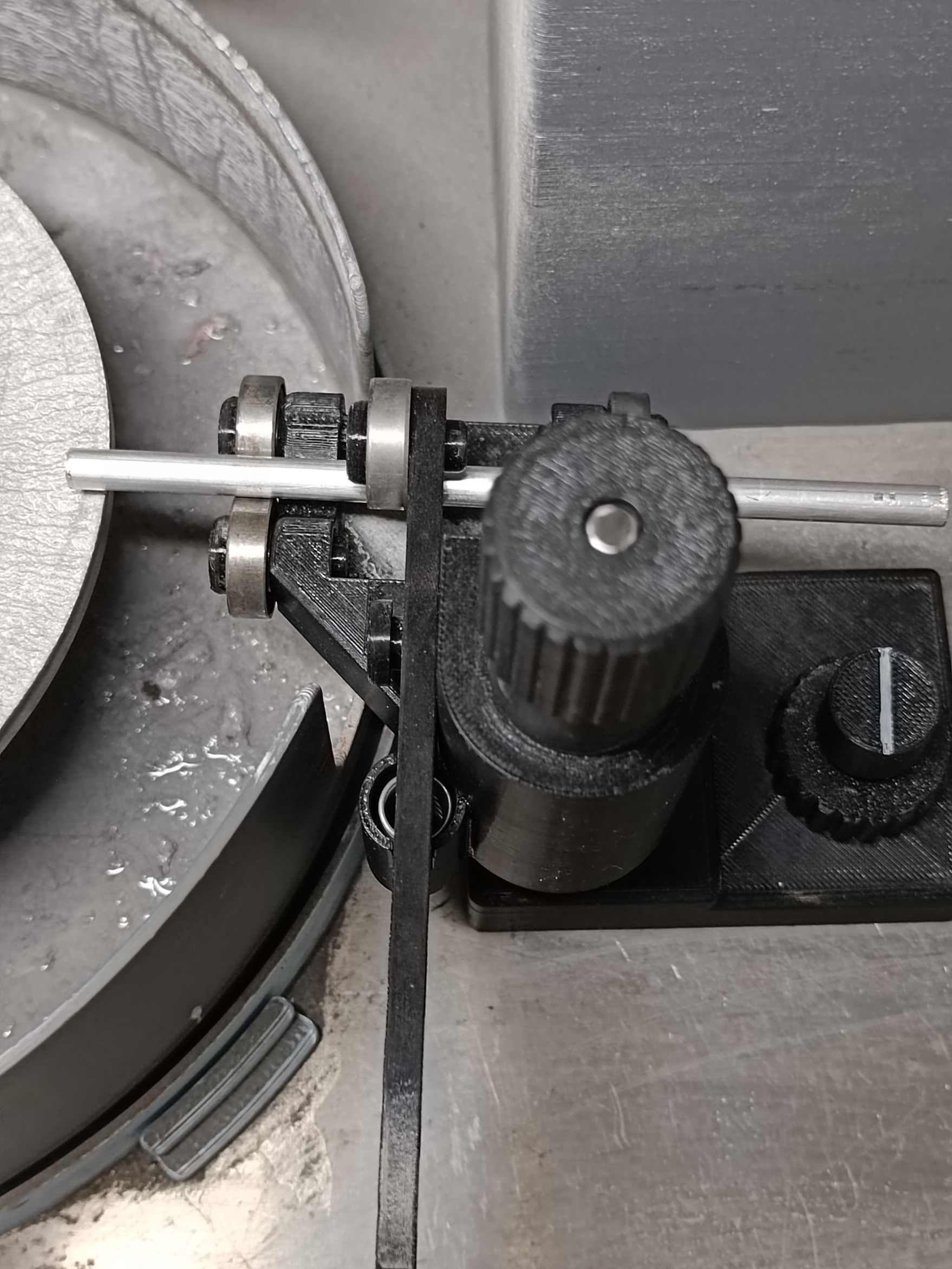
This arm mounted round pre-former is convenient and works well. the long support is used on the printed jamb peg, needs to be rigid. Could be made to fit any machine using a side arm. Collet inserts for 6mm and 8mm.
bearing type pre-former is accurate and fast to use, No issues with varying dop-stick thickness. this one will fit a slotted base.
This is a complete Jamb peg head assembly, including table adaptor and rounding pre-former. Mast height will depend on distance between base and platen. Ideally, three table adaptors would be used, 8mm and 6mm 8 sided indexer and one for the 48 indexer which is six sided
No Code Website Builder